
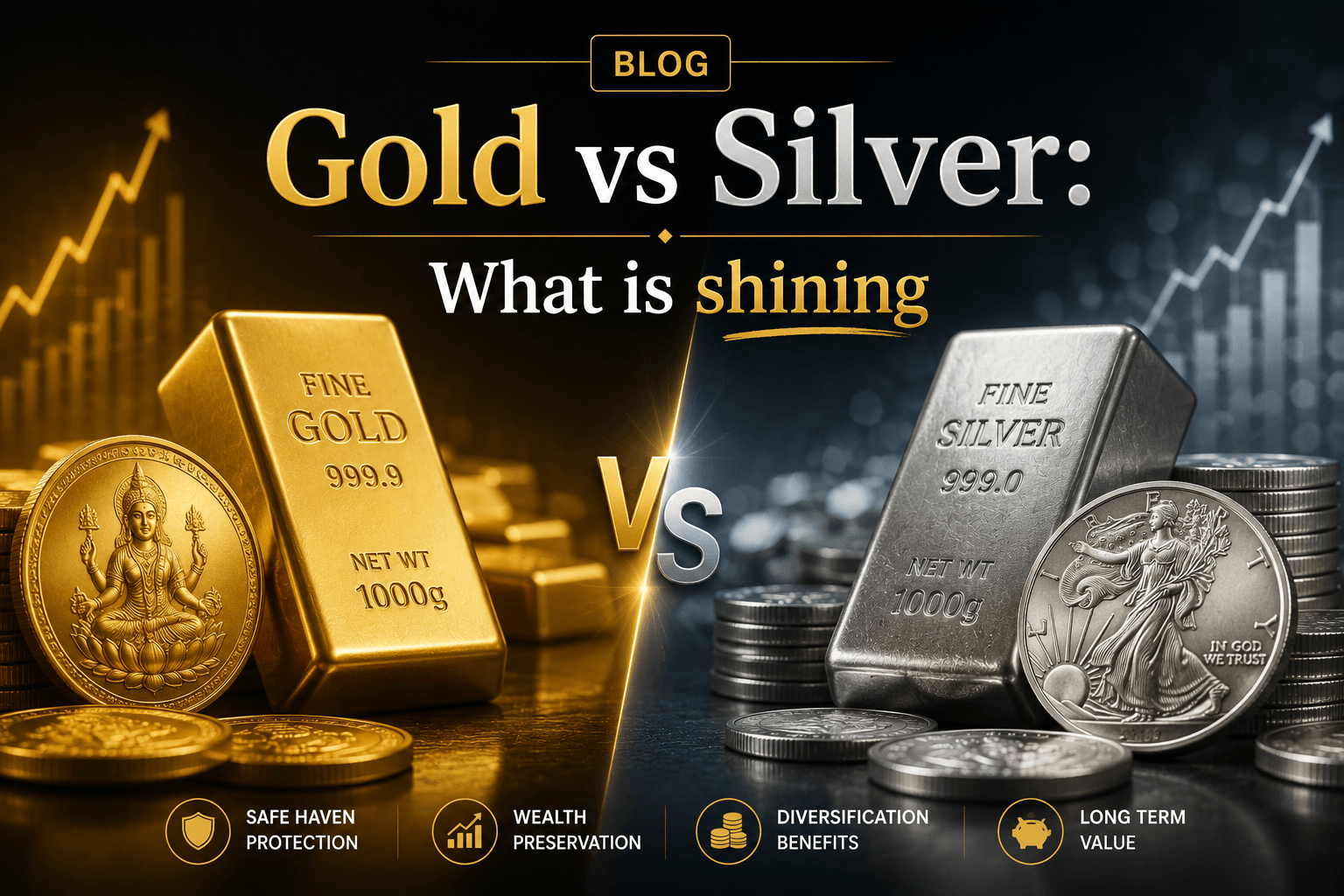
Gold vs Silver: What is shining
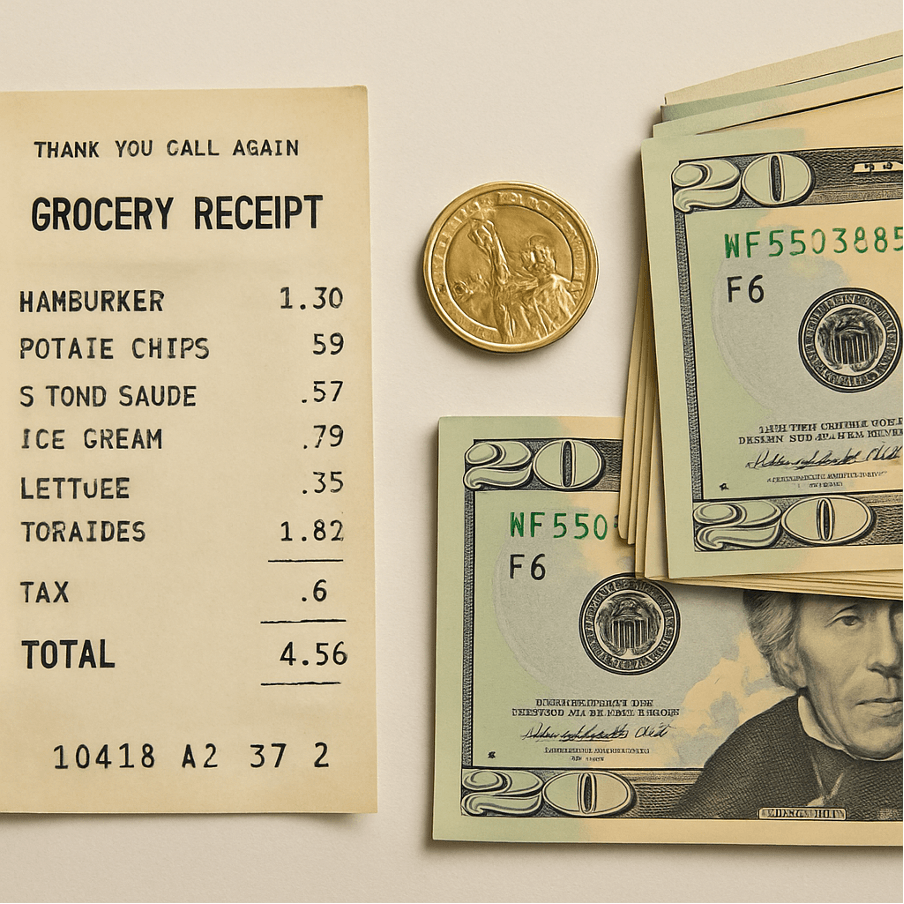
Picture sitting at your kitchen table in 1970 with one gold coin and $35 in cash. Back then, either option bought roughly the same amount of groceries. Fast forward to today, and that paper cash barely covers a few days of meals, while the gold coin pays for weeks of family dinners. This stark contrast perfectly illustrates purchasing power---the actual amount of physical goods your money can buy at any given moment.
As everyday goods cost more over time, modern savers need reliable strategies for protecting wealth against high inflation. Whether you're weighing gold vs silver as a hedge, precious metals naturally act as an inflation hedge, functioning like a financial insurance policy designed to hold value when paper currency loses ground. According to thousands of years of economic history, both gold and silver have reliably served as safe haven assets during times of global uncertainty.
Proper valuation dictates how you approach buying them. Investors watch the spot price, which is simply the current baseline market rate for one ounce of metal before dealer markups or shipping fees. Tracking these daily numbers, including gold prices and silver prices, brings us to a highly debated topic: Gold vs Silver: What is shining brightest for your wallet right now?
Both metals preserve wealth, yet they play drastically different roles in the modern economy. Gold remains the ultimate banker's metal, sitting quietly in vaults as a pillar of monetary stability. Silver serves a dual purpose, acting as the hidden industrial engine inside your smartphone and neighbourhood solar panels.
Why Gold Acts as Your Financial Anchor
Humans have trusted gold to protect their purchasing power for over 5,000 years. This incredible staying power demonstrates the Lindy Effect ---a principle suggesting that the older something is, the longer it will likely survive into the future. Having outlasted countless empires, gold is the ultimate safe haven. In plain English, safe haven assets during an economic recession act like a financial anchor, holding your savings steady when stock markets tumble or paper money falters.
Unlike standard bank deposits, holding physical gold carries zero counterparty risk . This simply means you do not have to rely on a bank, corporation, or government's promise for your investment to have value; the metal is the value. This inherent worth explains why gold prices naturally rise when inflation aggressively pushes up our grocery bills. Even as the daily spot price fluctuates on the global market, the metal's long-term purchasing power remains fiercely resilient.
Everyday savers aren't the only ones seeking stability right now. Today, the central bank gold reserves' impact on prices is massive, creating a permanent floor for the metal's global value. Institutions in nations like China and Poland are currently stockpiling record amounts of gold to:
- Diversify their national savings away from a heavy reliance on the U.S. dollar.
- Build a reliable, inflation-proof war chest for uncertain times.
- Hold a recognized asset that outside banking systems cannot easily freeze or seize.
Treating gold as a wealth preservation tool shifts your primary goal from getting rich to simply preventing yourself from getting poor. It provides a slow, steady foundation for your wealth. Yet, if gold is your reliable baseline, you might be curious about its famously active sibling: why silver is "gold on caffeine"---and why that matters for your wallet.
Why Silver is 'Gold on Caffeine'
While gold acts as your financial anchor, watching silver prices can feel like riding a rollercoaster. Experts often describe silver as "gold on caffeine" due to its high volatility---a term meaning its value swings up and down much faster than other assets. If gold creeps up by one percent, silver might suddenly jump by three percent, making it a powerful growth engine for savers who can stomach the ride.
This dramatic action highlights the historical volatility of silver prices vs gold stability. In the gold vs silver debate, that gap in temperament matters for your risk tolerance and time horizon. Because the global market for silver is remarkably smaller than the gold market, it takes far less money moving in or out to make the price spike or crash. Historically, these two sibling metals move in the same general direction, but silver runs much faster to the upside and downside.
Beyond exciting price swings, silver shines as an accessible entry point for everyday beginners. While buying a single gold coin requires around $2,000, you can pick up a one-ounce silver coin for roughly $30. However, new buyers must understand the difference between the spot price (the raw global market value shown on financial news) and the retail price (what you actually pay a dealer, which includes manufacturing and shipping premiums).
When people ask, "is silver a better investment than gold," the answer usually depends on whether they want aggressive growth or absolute safety. Yet, silver's recent price surges aren't just driven by investors seeking a historical bargain. The real modern catalyst involves why green tech needs silver to survive.
The Hidden Engine: Why Green Tech Needs Silver
We think of gold as the ultimate bank vault treasure, but silver is the invisible workhorse powering our modern lives. While gold is a "monetary" asset hoarded by central banks to protect wealth, silver acts as both a historical currency and an irreplaceable industrial ingredient.
This dual identity explains why the industrial demand for silver in green energy has recently exploded. Because silver is the most conductive metal on earth, it serves as the vital heartbeat inside several indispensable technologies:
- Solar Panels (PV): Converting sunlight into electricity requires specialized silver paste.
- Electric Vehicles (EVs): Modern battery systems rely on millions of silver connections.
- 5G Networks: High-speed cellular towers depend on its unmatched electrical reliability.
- Medical Devices: Its natural antibacterial properties are essential for hospital equipment.
Unlike the traditional market demand for jewelry, this green tech boom permanently consumes the metal. A gold ring stays in circulation forever, but silver used in electronics is applied in such microscopic amounts that recycling is rarely profitable. Millions of ounces end up permanently lost in landfills, which naturally shrinks the available supply left over for everyday savers.
Recognizing this constant drain explains why experts suggest combining both precious metals for portfolio diversification, balancing gold's steady safety against silver's aggressive industrial growth. Because silver spans both the financial and tech worlds, determining if it is currently a "bargain" requires a special metric: the Gold-to-Silver Ratio.
How to Use the Gold-to-Silver Ratio as a Value Thermometer
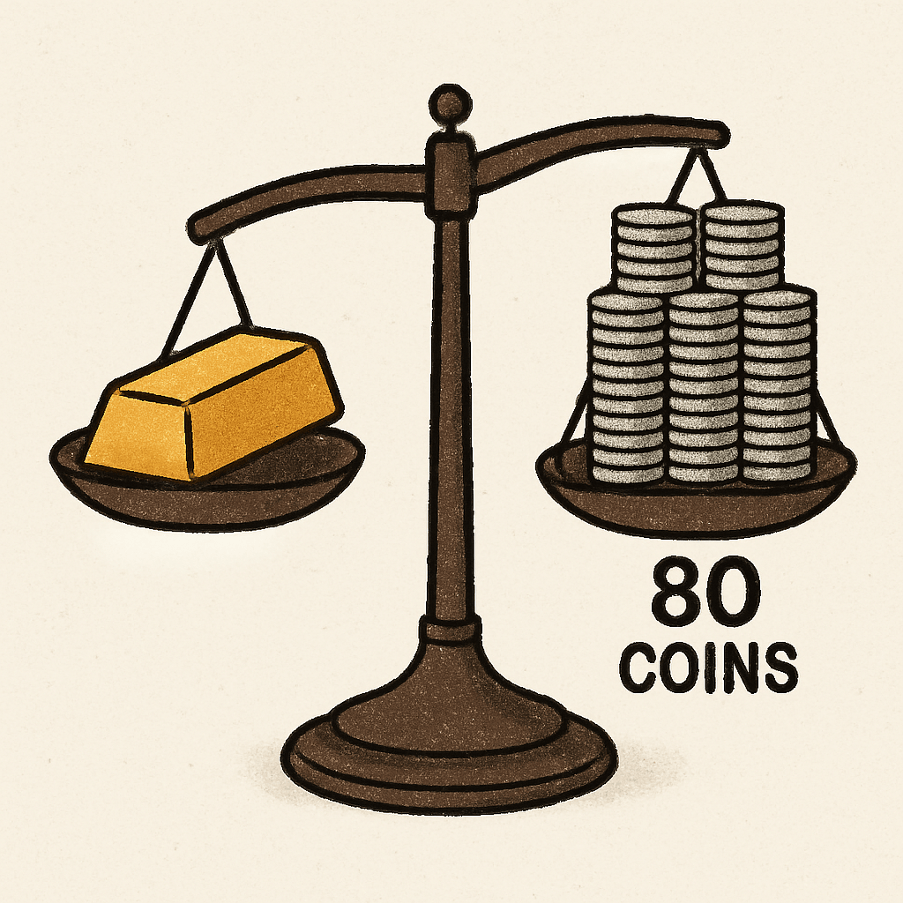
Imagine walking into a grocery store and noticing steak suddenly costs 80 times more than chicken. You would probably buy the chicken, recognizing that the price gap is unusually wide. In wealth preservation, the Gold-to-Silver Ratio works exactly like this---acting as a "value thermometer" to show which metal is currently on sale. To find it, you simply divide the price of one gold ounce by one silver ounce.
Historically, this ratio sat around 15-to-1, but today it frequently bounces between 70 and 90. When evaluating the historical performance of precious metals vs stocks, metals often experience mean reversion---a financial term meaning extreme price gaps eventually snap back to their normal averages. You can use a basic gold-to-silver ratio investment strategy to spot these opportunities:
- Check the ratio: Divide gold's current price by silver's price.
- Identify the "Buy Zone": A ratio above 80 means silver is historically cheap compared to gold.
- Watch for snapbacks: A ratio below 50 means gold becomes the better bargain.
Smart savers use this thermometer to confidently build their savings, buying heavily discounted silver and occasionally swapping it for gold when the ratio tightens. Now that you know how to spot a precious metals bargain, the next step is actually putting it in your hands.
The Practical Guide to Buying Your First Ounce Safely
Transitioning from watching prices to holding wealth requires learning basic retail math. Before you buy, compare current gold prices and silver prices from multiple sources to understand typical dealer premiums. When buying bullion ---investment-grade metal---you pay slightly more than the "spot price" quoted on the news. This extra cost, called a premium , covers manufacturing and dealer profit. Adding hard assets is brilliant for utilizing precious metals for portfolio diversification, provided you never overpay.
Your next choice is what shape your metal takes. Government-minted coins cost more but offer the incredible liquidity of gold coins and bars---they are instantly recognizable and easy to sell back. Bars sit closer to the raw price. Starting with a single 1-ounce silver coin for around $30 makes a perfect low-risk test run.
Wall Street offers a digital alternative for hands-off investors. ETFs (Exchange Traded Funds) act like standard stocks tracking metal prices through your normal brokerage account. While highly convenient, you only own a digital claim rather than the physical asset itself, which slightly reduces its effectiveness as an absolute safe haven.
Learning how to buy physical bullion safely protects you from counterfeit scams. Always vet online or local dealers with this essential checklist:
- Check accreditations: Verify active memberships in national coin associations or the Better Business Bureau.
- Shop the markup: Compare their premiums against two major online retailers to ensure fair pricing.
- Demand an exit strategy: Confirm they offer a clear, written buy-back policy.
Once your first shiny ounce arrives, your responsibility shifts to keeping it secure.
Protecting Your Treasure: Storage, Insurance, and Taxes
Bringing physical metals home introduces an immediate question: where do you safely keep them? A basic home safe works for a few silver coins, but growing collections heavily favor professional vaulting. When calculating storage and insurance costs for precious metals , upgrading your home security and adding specialized insurance riders often exceeds a depository's small annual fee. If you choose professional vaulting, always insist on allocated storage---meaning your exact metals are kept completely separate under your name, not pooled into a communal pile.
Cashing out later reveals why keeping things simple from the start matters. Sticking to standard, government-minted bullion instead of rare historical collectibles guarantees seamless ease of liquidation. This simply means they can be instantly converted back into cash without friction. Rare coins require subjective appraisals and specialized buyers, whereas standard bullion holds a universally recognized value that any dealer will honor immediately.
Savvy investors often bypass traditional capital gains taxes entirely by holding physical bullion inside their retirement accounts. Opening a Precious Metals IRA lets you buy approved gold and silver while enjoying the same tax-deferred or tax-free growth as standard stocks. Using the tax advantages of precious metals IRAs preserves much more of your long-term purchasing power, though IRS rules strictly mandate these physical assets stay in an approved depository rather than your bedroom.
Securing these logistical details transforms physical metals from a stressful burden into a rock-solid monetary safeguard.
Your Personal Metals Roadmap: Balancing Stability and Growth
You no longer have to view these metals as mere jewelry or complex Wall Street assets. Today, you possess the clarity to leverage these assets to diversify your portfolio. Instead of watching your savings slowly erode, you can confidently construct a physical savings strategy that preserves your long-term purchasing power.
To start shielding your savings from inflation, consider a balanced wealth-stacking approach---such as a 70% gold allocation for stability and 30% silver for growth. You can launch your journey with this simple 30-day starter plan:
- Research: Check the current Gold-to-Silver Ratio to understand which metal offers the best relative value right now.
- Budget: Set a realistic, comfortable monthly dollar amount dedicated strictly to your new wealth-stacking habit.
- Purchase: Secure your first physical silver coin or fractional gold piece from a reputable local or online dealer.
Gold and silver serve fundamentally different purposes. In the ongoing gold vs silver conversation, gold acts as a steady anchor for your savings, while silver functions as a vital component of modern technology. By taking these practical steps, you move beyond merely hoping your cash retains its value to actively ensuring your wealth outlasts future economic shifts.
Frequently Asked Questions
Question: How do gold and silver protect my purchasing power during inflation? Short answer: They act as inflation hedges—assets that tend to hold value as the cost of everyday goods rises. Gold, in particular, has served as a safe haven for thousands of years (the Lindy Effect supports its long-term durability). Physical gold carries no counterparty risk—the metal itself is the value—so it doesn’t rely on a bank or government promise. Silver also preserves wealth, but with greater price swings. Together, they can help stabilize your savings when paper currency loses ground.
Question: Why is silver called “gold on caffeine,” and what does that mean for my risk tolerance? Short answer: Silver’s market is smaller and more influenced by industrial demand, so its price tends to move faster—up and down—than gold. If gold rises 1%, silver might jump several percent in either direction. This higher volatility can boost growth for investors who can stomach swings. Silver is also a lower-cost entry point (one-ounce coins are far cheaper than gold), but buyers should remember the difference between spot price (raw market quote) and retail price (spot plus dealer premiums).
Question: What is the Gold-to-Silver Ratio and how do I use it to find value? Short answer: It’s a “value thermometer” that shows which metal is relatively cheaper: divide the gold price per ounce by the silver price per ounce. Historically around 15:1, it now often moves between 70 and 90. Practical guide:
- Check the ratio: gold price ÷ silver price.
- Buy Zone: above 80 suggests silver is historically cheap relative to gold.
- Snapbacks: below 50 suggests gold is the better bargain. Investors may buy the “cheap” metal and later swap into the other when the ratio reverts toward normal averages (mean reversion).
Question: Should I buy coins or bars—and what about ETFs? Short answer: Government-minted coins cost a bit more but offer top-tier liquidity and recognition, making them easy to sell. Bars typically carry lower premiums and sit closer to spot. New buyers often start with a 1-ounce silver coin as a low-risk test. ETFs (exchange-traded funds) track metal prices in a brokerage account and are convenient, but you own a digital claim—not the metal—so they’re less effective as an absolute safe haven compared to physical bullion.
Question: How do I store metals safely and handle insurance and taxes? Short answer: For small holdings, a quality home safe can work; for larger stacks, professional vaulting is usually safer and often cheaper once you factor in home security upgrades and specialized insurance. Choose allocated storage so your exact bars/coins are held separately in your name. To keep liquidation simple, stick to standard bullion rather than rare collectibles. For tax advantages, some investors use a Precious Metals IRA, which allows approved gold and silver to grow tax-deferred or tax-free—but must be stored in an IRS-approved depository.


-
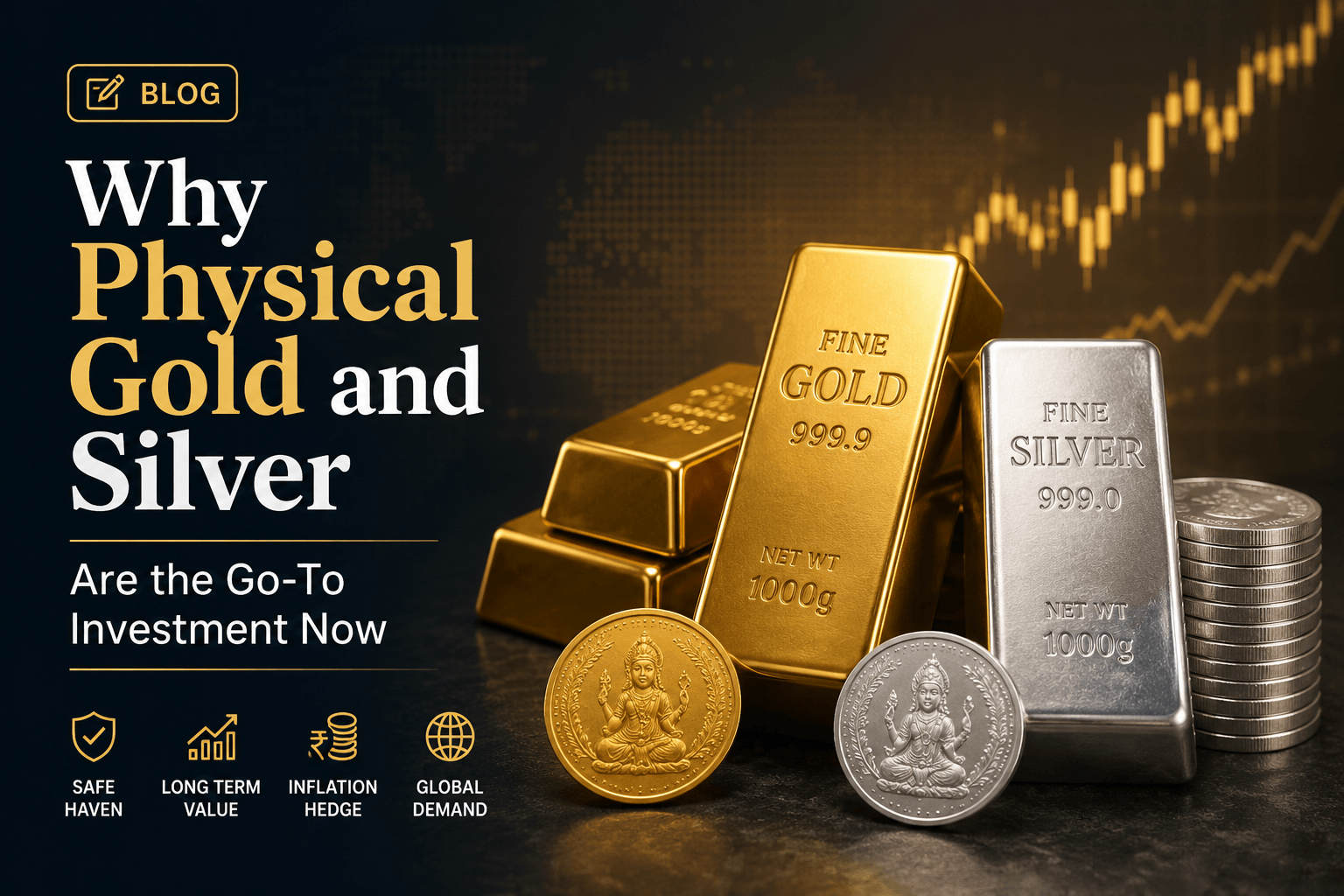
Why Physical Gold and Silver Are the Go-To Investment Now
 July 4, 2026
 -
Gold vs Silver: What is shining
July 4, 2026