
Why Physical Gold and Silver Are the Go-To Investment Now
In today's volatile economic climate, investors are seeking stability. Physical gold and silver have emerged as reliable options. For many, this is why physical gold and silver are the go-to investment in the current scenario.
These precious metals have been trusted for centuries. They offer a tangible form of wealth that is not tied to the financial system.
Gold bullion and silver bullion are particularly appealing. They provide a hedge against inflation and economic instability.
When fiat currencies lose value, gold and silver often retain theirs. This makes them attractive during times of uncertainty.
The demand for these metals rises during geopolitical tensions and market downturns. Their intrinsic value and limited supply contribute to their appeal.
Central banks worldwide hold significant reserves of gold. This underscores its importance as a financial asset.
Silver's industrial applications add another layer of demand. This can impact its price and investment potential.
Investing in physical gold and silver can diversify portfolios. It reduces risk and offers a sense of security in uncertain times.
The Enduring Value of Precious Metals
Precious metals like gold and silver hold enduring value. They have been used as currency and stores of wealth for thousands of years.
These metals are tangible. Unlike digital or paper assets, they exist physically, making them real and reliable.
Gold and silver maintain their worth due to their rarity and universal acceptance. These factors ensure continued demand across the globe.
Their value is not subject to the same market fluctuations as stocks or bonds. This stability adds to their appeal for cautious investors.
Historically, gold has been seen as a symbol of wealth and power. Silver shares some of this allure, with its own unique benefits.
Here are the core attributes that contribute to the lasting value of precious metals:
- Intrinsic Value: Cannot be undermined by inflation.
- Limited Supply: The scarcity helps retain value.
- Universal Acceptance: Recognized worldwide.
- Durability: Does not corrode or tarnish easily.
Investments in precious metals are less vulnerable to economic upheavals. In turbulent times, they often rise in value.
Central banks secure their reserves with gold. This practice highlights its lasting importance in global finance.
Precious metals are more than just investments; they're timeless assets. Owning them provides peace of mind in an unpredictable world.
Economic Uncertainty and the Rise of Gold and Silver
Economic uncertainty often triggers a flight to safety. Investors seek refuge in stable assets like gold and silver.
During recessions and geopolitical tensions, these metals become more appealing. They offer a sense of stability that other assets may lack.
The global economy is currently facing high inflation and market volatility. These conditions make gold and silver attractive investment choices.
Gold and silver are considered safe havens. When currencies lose value, the worth of precious metals usually increases.
Their performance during past economic crises underscores their protective role. They have consistently maintained or increased in value when markets falter.
Here are reasons why they are favored in uncertain times:
- Inflation Hedge: Protect purchasing power.
- Economic Stability: Retain value when markets are down.
- Geopolitical Safe Haven: Remain stable amid global tensions.
- Security from Currency Devaluation: Offer protection against weakening currencies.
Precious metals are free from the risks tied to other investments, like stocks, which can plummet in value.
Central banks and large investors often turn to gold in uncertain times. This action further boosts its demand and price.
The rise in gold and silver demand is not surprising in today's unpredictable climate. As turmoil persists, their allure only grows stronger.
In times of instability, gold and silver provide not just a financial shield but a psychological one, boosting investor confidence.
Gold Bullion: The Ultimate Safe Haven Asset
Gold bullion stands as a premier safe haven asset. Its role during economic downturns can't be overstated.
Over thousands of years, gold has built a reputation as a stable store of value. It's less vulnerable to the whims of the market.
Investors value gold bullion for its tangible nature. Unlike digital or paper assets, it carries intrinsic value.
Several reasons make gold bullion a coveted investment:
- Tangible Asset: Exists outside the digital realm.
- Minimal Risk: Less influenced by market shifts.
- Long-Term Appreciation: Holds value over decades.
- Universally Accepted: Recognized worldwide for transactions.
Owning gold bullion provides security in uncertain times. Unlike stocks or bonds, gold doesn't rely on company performance.
Gold's rarity contributes to its lasting appeal. The finite supply ensures it retains value across generations.
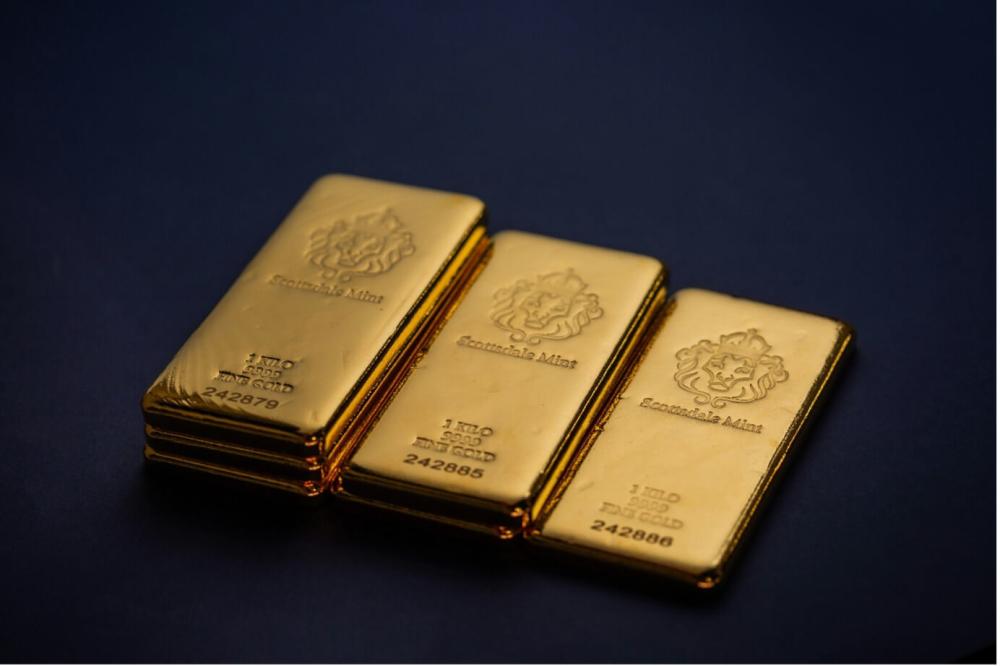
by Scottsdale Mint (https://unsplash.com/@scottsdalemint)
The global demand for gold bullion is evident in times of crisis. Investors move towards gold to preserve their capital when markets become shaky.
In today's complex economic landscape, gold's appeal is timeless. It embodies both wealth protection and historical significance.
As uncertainties loom, gold bullion offers a reliable shield against the financial storm, maintaining investor confidence.
Silver Bullion: Industrial Demand and Investment Potential
Silver bullion represents both investment potential and industrial necessity. This duality ensures its continued relevance.
Silver's industrial applications are broad and growing. It's critical in electronics, solar panels, and medical devices. This usage creates a steady demand.
Investors find silver appealing due to its versatility. Unlike gold, silver serves both industrial and monetary purposes. This adds to its investment allure.
Various factors contribute to the investment potential of silver bullion:
- Industrial Usage: Key in technology sectors.
- Affordability: Lower cost than gold, enabling more access.
- Diverse Demand: Balances industrial and investment needs.
- Growth Prospects: Rising demand in emerging industries.
The affordability of silver bullion is significant. It allows for diverse portfolio inclusion without large capital outlay.
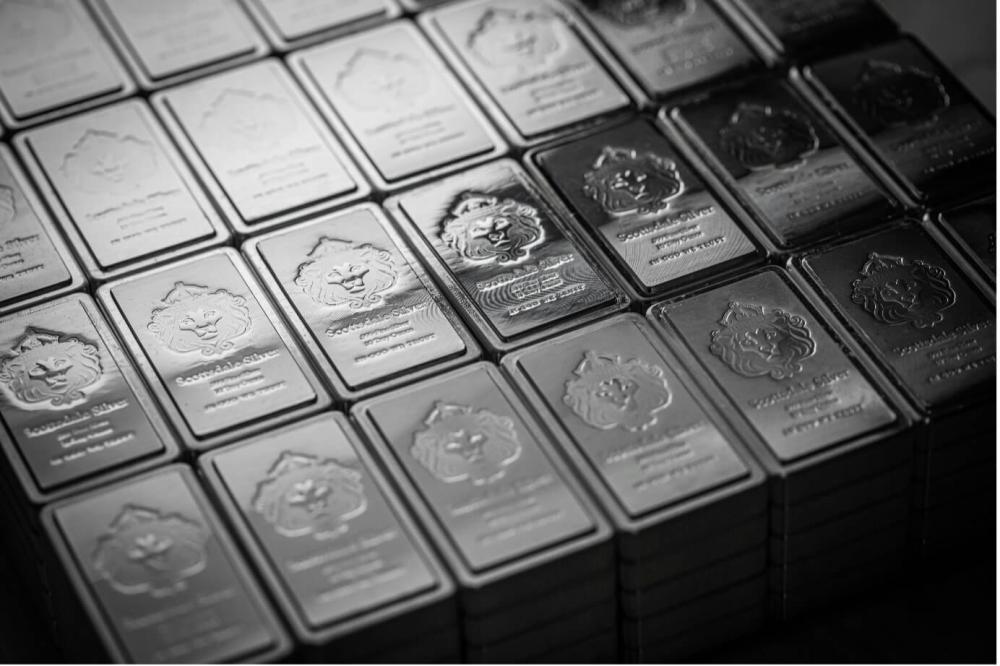
by Scottsdale Mint (https://unsplash.com/@scottsdalemint)
As technology evolves, the demand for silver rises. Its role in emerging sectors could boost its market value.
Silver's potential isn't limited to industrial use. As an investment, it offers a hedge against economic volatility.
In turbulent times, silver bullion provides both security and opportunity. Its diverse applications and potential for growth make it a valuable asset in today's investment landscape.
Inflation Hedge: How Precious Metals Protect Your Wealth
Precious metals like gold and silver offer a buffer against inflation. Their intrinsic value remains stable even when currencies falter.
Inflation erodes the purchasing power of paper money. However, gold and silver prices often rise during inflationary periods. This makes them a reliable store of value.
Several factors contribute to their effectiveness as an inflation hedge:
- Historical Performance: Proven track record during economic instability.
- Tangible Asset: Physical ownership provides security.
- Limited Supply: Rarity contributes to value retention.
- Universal Acceptance: Recognized globally as a wealth storage solution.
When inflation looms, investors turn to precious metals. They provide a haven for preserving wealth against currency devaluation.

by John Vid (https://unsplash.com/@vanvid)
Gold and silver's resistance to inflation is well-documented. Their prices often outpace the rate of inflation, protecting investor wealth.
By investing in physical metals, individuals secure assets that are less susceptible to inflationary pressures. This stability offers peace of mind during uncertain economic times.
The enduring allure of gold and silver lies in their unyielding value in a fluctuating financial landscape.
Portfolio Diversification with Physical Gold and Silver
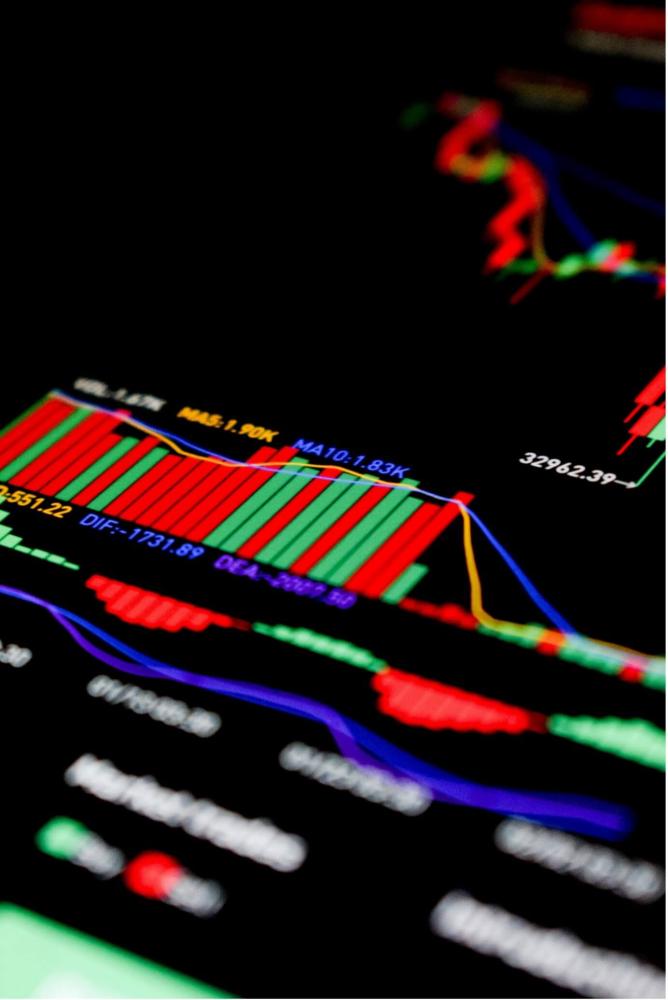
Diversifying your investment portfolio with physical gold and silver is a smart strategy. These metals offer balance in a sea of volatile assets. When stock markets tumble, precious metals often hold their ground.
Incorporating gold and silver can reduce overall investment risk. They provide a counterbalance to assets like stocks and bonds. This diversification increases stability, especially during market downturns.
A balanced portfolio may include:
- Gold Bullion: Known for its historical security.
- Silver Bullion: Offers growth potential due to industrial demand.
- Other Assets: Includes equities, bonds, and real estate for comprehensive diversification.
by lonely blue (https://unsplash.com/@lonelyblue)
Gold and silver's unique attributes make them valuable additions. They do not behave like typical paper assets. This difference adds a layer of protection against market volatility.
For those seeking long-term security, incorporating these metals is prudent. They preserve wealth, smooth out volatility, and enhance the resilience of your portfolio during economic uncertainties.
Liquidity, Accessibility, and Global Acceptance
Physical gold and silver are renowned for their liquidity. In financial terms, this means they can be quickly bought or sold without drastically affecting their market price. Their liquidity provides flexibility in times of economic need.
These metals are accessible to investors everywhere. Gold and silver can be purchased in various forms including coins and bars, catering to different financial capacities. Accessibility expands their appeal across diverse demographics and economic statuses.
The universal acceptance of these metals further amplifies their attractiveness. From small investors to central banks, people around the globe recognize and value gold and silver. This widespread acceptance makes them reliable assets in any investment strategy.
Consider these benefits:
- Quick Conversion: Easy to convert into cash when necessary.
- Diverse Formats: Available in a range of sizes and formats.
- Worldwide Acceptance: Recognized and trusted globally.
Incorporating these metals in your portfolio ensures you have assets that are both flexible and universally accepted. This global reach enhances their role as steadfast financial assets.
Risks and Considerations When Investing in Precious Metals
While investing in precious metals like gold and silver presents numerous benefits, potential risks exist. Market volatility is one such risk, as the prices of these metals can fluctuate widely in the short term. Investors should be prepared for these price swings when considering precious metals for their portfolios.
Storage and insurance are practical considerations. Physical gold and silver need secure storage to prevent theft or damage. Additionally, holding these metals incurs costs for safe storage and insurance, which should be factored into the investment's overall expense.
Market liquidity, although generally high, can also vary. Selling large quantities of gold or silver quickly may affect the sale price. Liquidity conditions can change with market dynamics, potentially impacting how quickly an investor can convert metals to cash.
Other risks include:
- Counterfeit Metals: Ensure authenticity through reputable dealers.
- Market Manipulation: Prices can be influenced by larger market forces.
- Regulatory Changes: Laws can impact the buying, selling, or storage of metals.
Understanding these risks and considerations allows investors to make informed decisions when adding gold and silver to their portfolios.
Practical Steps: How to Invest in Physical Gold and Silver
Investing in physical gold and silver requires a clear understanding of the process. The first step is to determine your investment goals and the role precious metals will play in your portfolio. Assess how much you are willing to allocate and decide between gold, silver, or a mix of both.
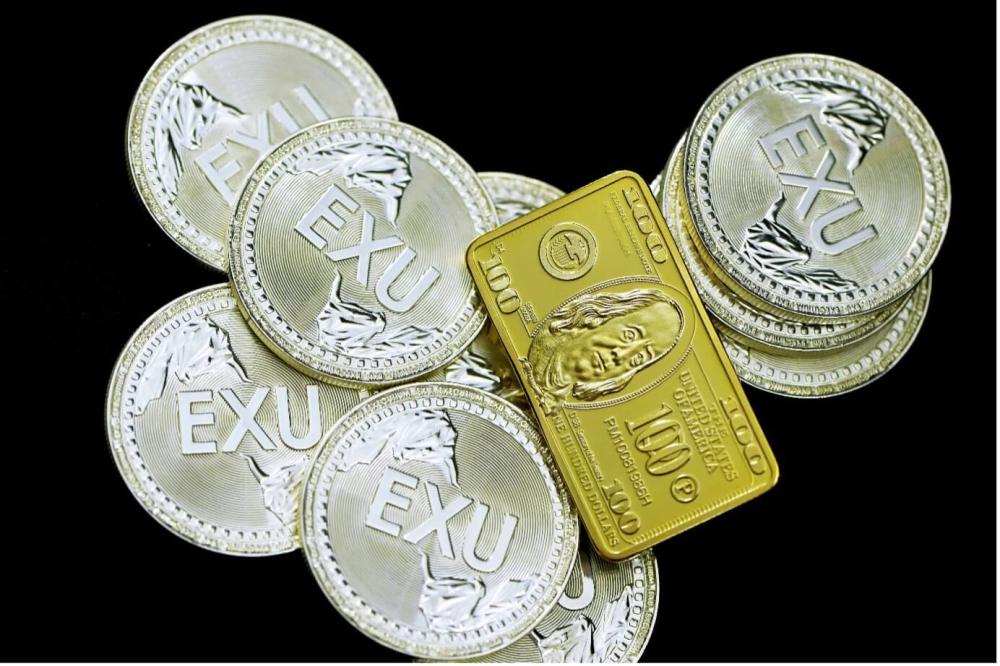
Next, choose the right form of metal. Options include coins, bars, and rounds, each with its own advantages. Coins often carry numismatic value, while bars and rounds are typically valued based on weight and purity. Research the market and opt for what aligns with your investment strategy.
Finding a reputable dealer is crucial. Look for dealers with a solid track record and positive customer reviews. Verify their authenticity and ensure they provide certification for authenticity and purity. It's wise to compare prices and services among several dealers.
Here's a checklist for investing:
- Set Investment Goals: Define your objectives.
- Select Metal Form: Coins, bars, or rounds.
- Choose a Trusted Dealer: Ensure credibility and reliability.
- Secure Storage Solution: Decide on a safe storage option.
by Kanchanara (https://unsplash.com/@kanchanara)
Finally, think about storage and insurance. Proper storage solutions are essential for protecting your investment. Consider options like home safes, bank safe deposit boxes, or professional vault services. Adequate insurance coverage adds another layer of security, ensuring your investment remains protected.
The Future Outlook for Gold and Silver Investments
The future of gold and silver investments appears promising. As economic uncertainties linger, these precious metals offer stability in volatile markets. Political and financial events worldwide will continue to influence their demand.
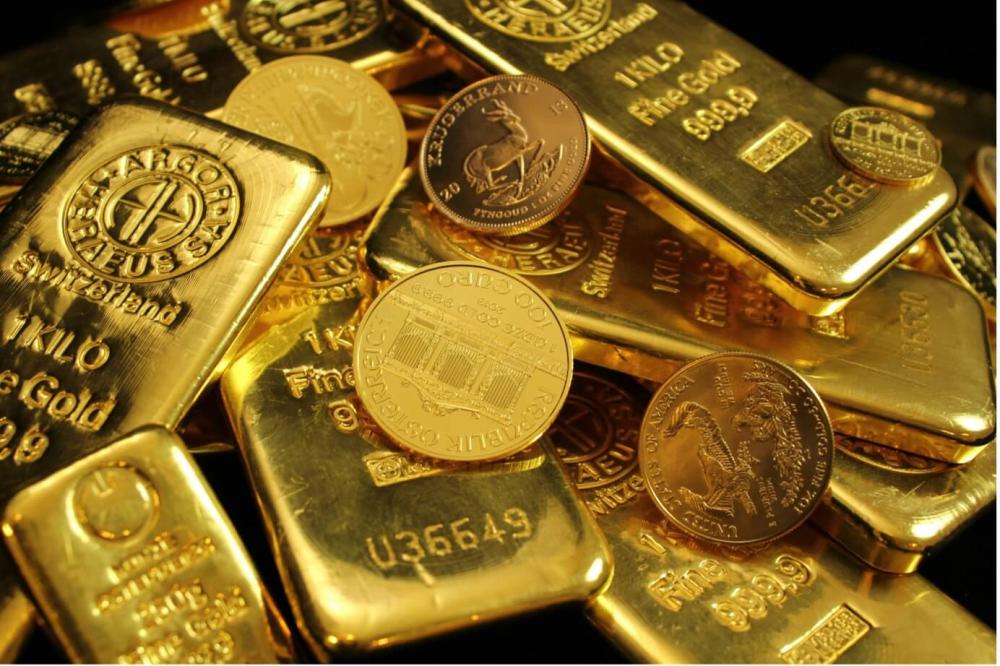
Gold and silver are expected to maintain their role as safe havens. Central banks across the globe stockpile gold, indicating continued trust. Gold's rarity and historical value make it a reliable wealth preserver.
Silver has its unique appeal, driven by industrial demand. Technological advancements, like solar energy and electronics, increase silver's necessity. This industrial usage can boost silver's price in the coming years.
Key factors affecting future outlook:
- Economic Volatility: Ongoing global uncertainties.
- Technological Demand: Growing need in industries.
- Central Bank Activities: Steady gold purchases.
- Inflation Concerns: Continues hedging relevance.
by Zlaťáky.cz (https://unsplash.com/@zlataky)
These metals also offer diversification, shielding portfolios against inflation and monetary instability. Considering the above factors, gold and silver remain strategic, long-term investments. As investors seek refuge from market unpredictabilities, these precious metals stand poised for continued appreciation.
Conclusion: Why Physical Gold and Silver Remain the Go-To Investment
In today's unpredictable economy, physical gold and silver offer a stable investment choice. They possess intrinsic value that withstands market fluctuations and inflation. This makes them a reliable hedge against economic downturns.
The enduring demand for these precious metals underscores their significance. Central banks, investors, and industries contribute to their appeal and utility. Gold and silver's global acceptance ensures they remain a trusted asset across diverse markets.
As investors seek security, the historical performance of gold and silver provides reassurance. These metals continue to protect wealth and diversify investment portfolios. Their tangible nature offers peace of mind, making them the go-to choice for maintaining financial stability.
FAQs
Question: Why are physical gold and silver considered the go-to investments right now? Short answer: In a volatile economy marked by inflation, market swings, and geopolitical tensions, gold and silver offer stability. Their intrinsic value, limited supply, and universal acceptance help them retain worth when fiat currencies weaken. Rising demand during crises—reinforced by central banks holding significant gold reserves—makes these tangible assets appealing as reliable stores of wealth and safe havens.
Question: How do gold and silver protect against inflation? Short answer: Precious metals hedge inflation because their intrinsic value isn’t eroded like paper currency. Historically, gold and silver prices often rise during inflationary periods, helped by their limited supply, global recognition, and physical tangibility. This combination allows them to preserve purchasing power when currency values fall.
Question: What’s the difference between investing in gold bullion and silver bullion? Short answer: Gold bullion is viewed as the premier safe haven—universally accepted, scarce, and less tied to market swings, making it a core wealth-preservation asset. Silver bullion combines investment appeal with strong industrial demand (electronics, solar, medical), which can enhance its growth potential. Silver is also more affordable, enabling broader access and diversification, while gold emphasizes long-term stability.
Question: What risks and costs should I consider before buying physical precious metals? Short answer: Key risks include short-term price volatility, potential liquidity constraints when selling large amounts quickly, and exposure to counterfeits or market manipulation. Practical costs involve secure storage and insurance. Regulatory changes can also affect buying, selling, or storing metals. Using reputable dealers and verifying authenticity help mitigate these risks.
Question: How do I start investing in physical gold and silver, and in what forms can I buy them? Short answer: Begin by setting clear goals and deciding your allocation between gold and silver. Choose a form—coins, bars, or rounds—recognizing coins may carry numismatic value, while bars/rounds track weight and purity. Buy through trusted dealers that provide certification, then arrange secure storage (home safes, bank deposit boxes, or professional vaults) and appropriate insurance.


-
Why Physical Gold and Silver Are the Go-To Investment Now
July 4, 2026
-
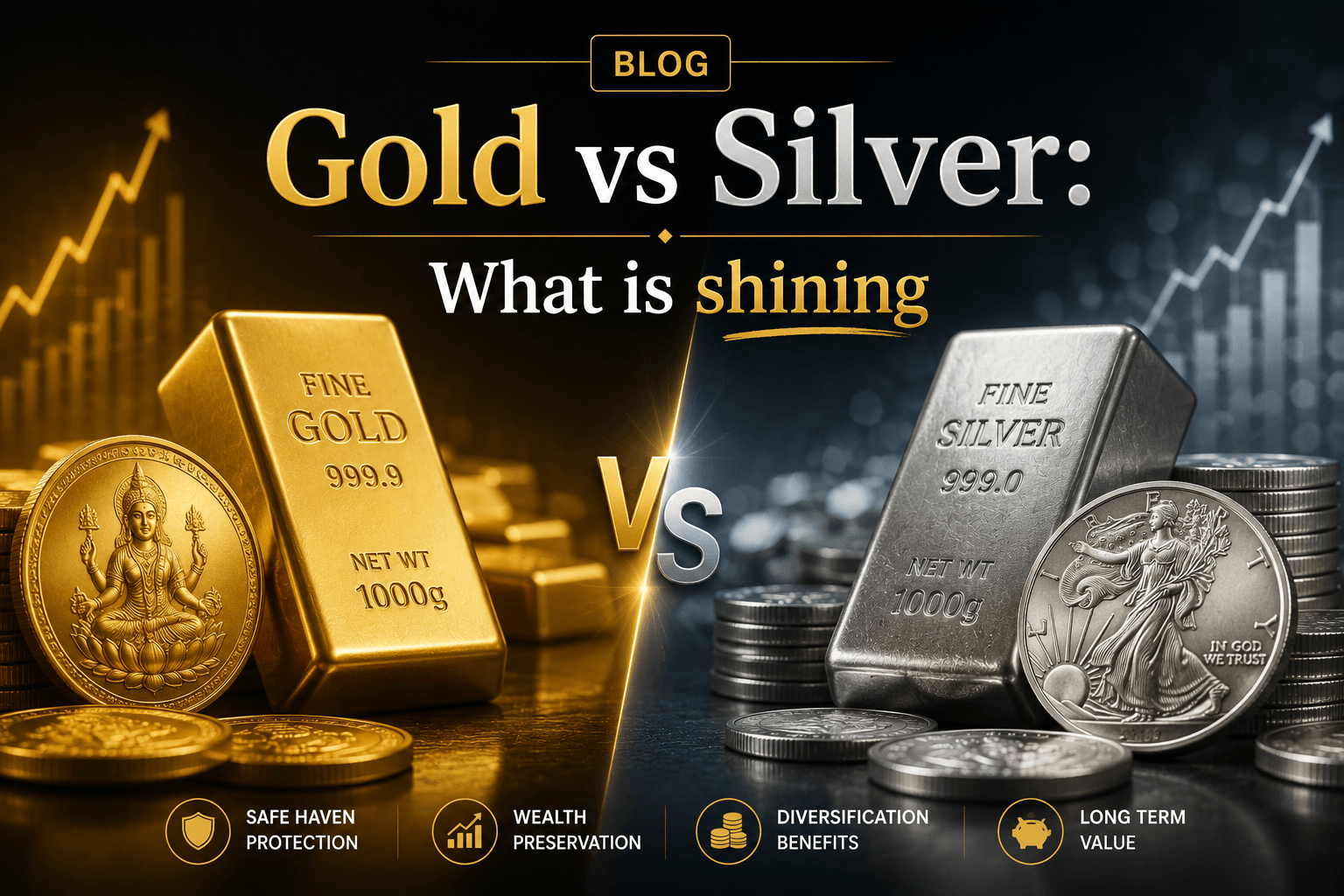
Gold vs Silver: What is shining
 July 4, 2026